
- July 22, 2026
- admin
- 0 Comments
- 84 Views
- 0 Likes
- Soil Health
Organic Soil Conditioner vs Chemical Products
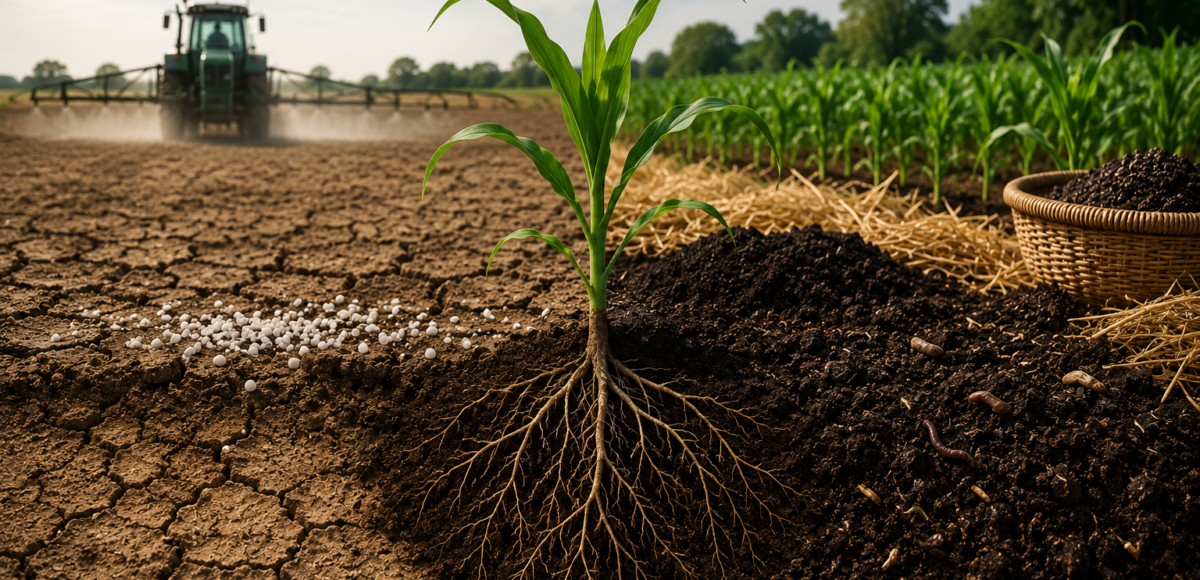
Organic Soil Conditioner vs Chemical Products : What Actually Builds Soil Health
What Chemical Products Are Actually Good At
Where Chemical Products Fall Short Over Time
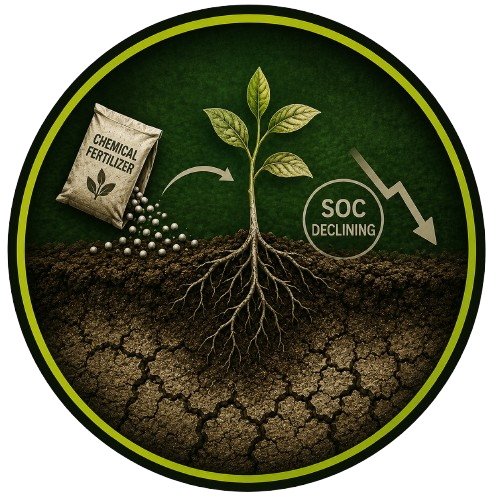
Soil Organic Carbon Decline
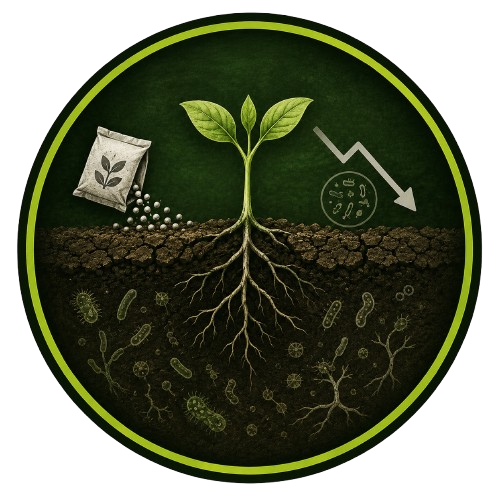
Weakened Microbial Life
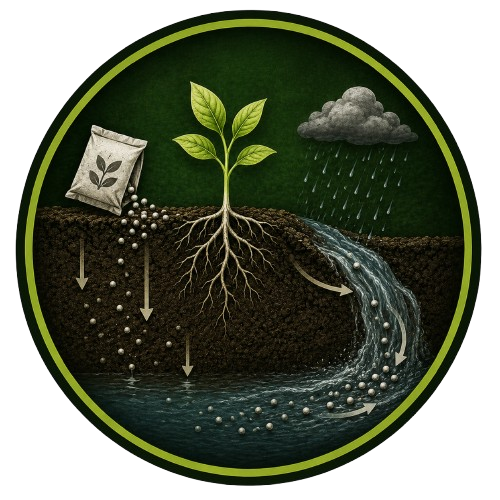
Nutrient Leaching and Runoff
What an Organic Soil Conditioner Adds That Products Can't
- Builds soil organic carbon instead of depleting it
- Feeds and shelters the soil’s microbial ecosystem
- Improves water retention, reducing irrigation stress during dry spells
- Improves long-term soil structure, not just one season’s nutrient supply
- Reduces future dependency on ever-increasing Products doses
A Practical Comparison
| Factor | Chemical Products | Ordinary Organic Products | Dharni Navjeevan |
|---|---|---|---|
| Soil organic carbon | Reduces over time | Improves slowly | Builds steadily; biochar is long-lasting in soil |
| Water-holding capacity | No real improvement | Some improvement | Significant improvement |
| Beneficial microorganisms | Can suppress activity | Adds some microbial life | Actively inoculated with beneficial microbes |
| Nutrient use efficiency | High short-term, prone to leaching | Moderate | Improved; nutrients held near roots |
| Long-term soil health | Degrades with continued use | Maintains | Regenerates |
| Best suited for | Short-term yield push | General soil maintenance | All crops, long-term soil regeneration |
How to Transition Without Losing a Season
- Don’t stop chemical Products abruptly — reduce it gradually over two to three seasons.
- Start applying an activated, inoculated biochar-based soil conditioner (commonly 25–50 kg per acre) alongside your existing program.
- Mix it with farmyard manure or compost for faster nutrient cycling.
- Track soil moisture retention and root health each season as your marker of progress.
- Reduce chemical Products dose incrementally as soil health markers improve.
An Expert Perspective
Conclusion: Organic Soil Conditioner vs Chemical Products, Long-Term

Should I stop using chemical Products completely?
Not necessarily, and not abruptly. Most farmers reduce chemical Products gradually while building up soil health with an organic soil conditioner.
How long does it take to see the difference?
Soil structure and water-holding improvements are often visible within one to two seasons, while organic carbon builds up steadily with continued use.
Is an organic soil conditioner more expensive than chemical Products long-term?
It’s an upfront investment, but because it reduces how much chemical Products you need over time, many farmers see it offset input costs across multiple seasons.
Can organic soil conditioners work on already-degraded soil?
Yes — degraded soil is exactly where a stable carbon input like activated biochar tends to make the most visible difference over time.
What's the easiest way to start transitioning?
Apply an organic soil conditioner alongside your current Products program for a season, then reduce chemical doses gradually as you see soil health improve.
Read the full comparison of Dharni Navjeevan against chemical fertilizer and ordinary manure on the Why Dharni Navjeevan page.
Read the full comparison of Dharni Navjeevan against chemical Products and ordinary manure on the Why Dharni Navjeevan page